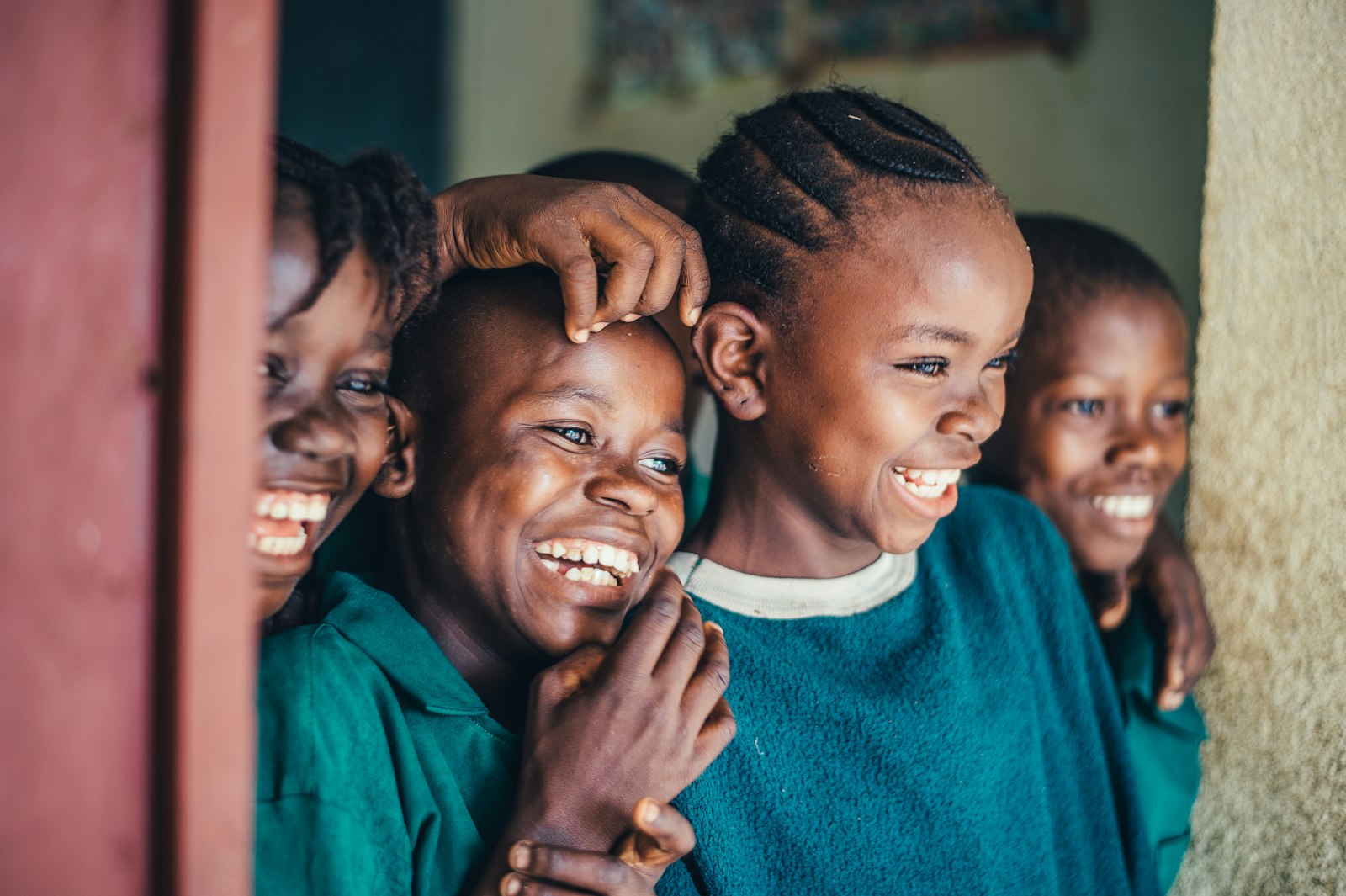
Hands that heal, protect and lift girls up.
We help girls and teen mothers in Naivasha stay in school, stay healthy and stay safe. From the counselling room to the courtroom, we walk with them.
It began in the family planning room.
At Alphabliss Health Clinic, counsellors kept hearing the same stories. Girls weren't choosing early sex. Circumstances were pushing them into it.
- 01
No sanitary pads
Girls miss school every month. Some trade sex for the money to buy pads.
- 02
Poverty
Some girls exchange sex for food, rent or airtime just to get by.
- 03
No school fees
Once a girl drops out she loses the protection of school, and many become teen mothers.
- 04
Drugs and alcohol
Substance abuse among young people in Naivasha leads to risky sex and sexual violence.
- 05
Loss of hope
Broken families, GBV and repeated failure leave girls feeling nobody cares about their future.
- →
The clinic can't fix this alone
So on 6th November 2026, 13 community members and health workers formed Blessed Hands CBO.
Four ways we show up for girls.
Every programme starts from what girls told us in counselling.
Youth-friendly FP
Confidential family planning counselling for girls and young women aged 10 to 24.
SGBV support
Screening in every FP session, care within 72 hours, and referral from hospital to court.
Keep girls in school
Sanitary pads, mentorship and help with school fees.
Skills for teen mothers
Hairdressing, tailoring, catering, digital literacy and table banking.
If something happened to you, time matters.
Go to a health facility within 72 hours. You can get medicine that prevents HIV (PEP), emergency contraception and treatment, free of charge. It is not your fault. Here's what to do.
Who we plan to reach
girls and young women aged 10 to 24
teen mothers trained in skills
SGBV survivors given care and referral
sanitary pads given out
"Every survivor deserves to be believed, treated with dignity, supported to heal, and given justice." Benjamin Kuira Gachiri, Patron and SGBV clinician
Help a girl in Naivasha stay in school.
KES 800,000 buys a year of sanitary pads and menstrual health lessons. Schools, partners and well-wishers can all play a part.